
 By Intense Life Desires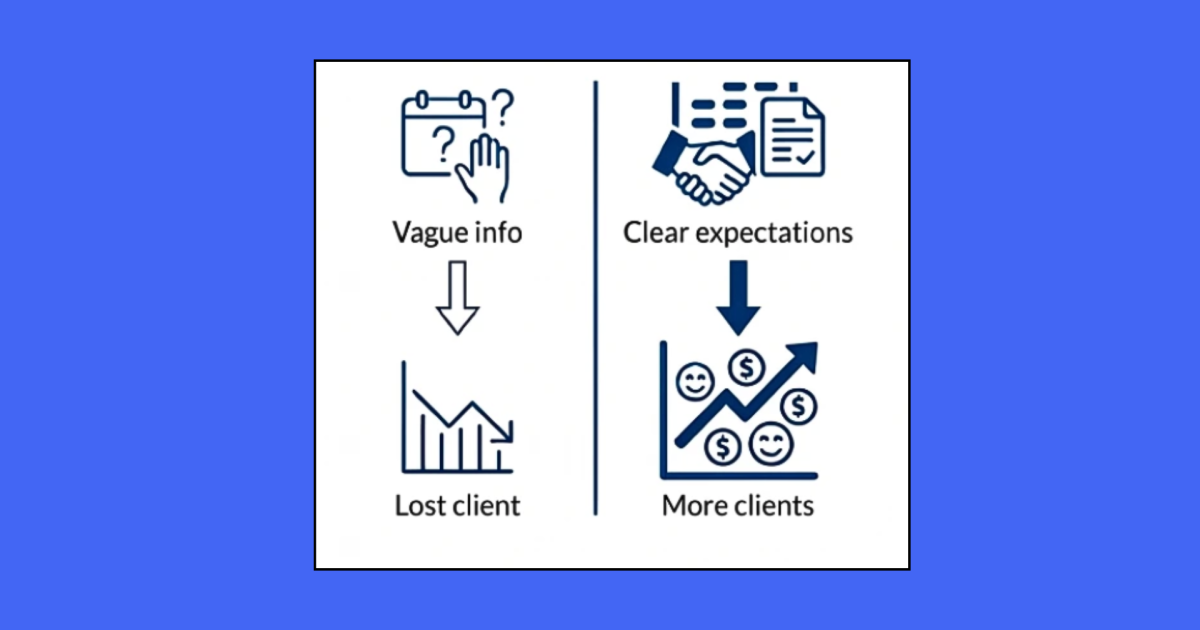

For prospective customers who find a financial advisor online, the little button inviting them to “book an appointment” marks a big fork in the digital road.
Processing Content
After clicking it and seeing a calendar with available dates and times, visitors realize that they actually have to find 30 minutes out of their day — and it has to be worth their time, said Nate Hoskin, the co-founder of advisor video marketing firm SageContent.
Hoskin first learned the importance of the booking link when an advisor he was working with discovered that 62 visitors had clicked on it without following through to set up a time to talk. So Hoskin now compares the appointment button to an e-commerce payment tab requiring the purchaser to enter credit card information to make the order — and its accompanying price tag — official.
“This is the pivot point, this is the moment of highest risk. Think about it that way,” Hoskin said. “That’s the same experience that they’re having on that booking link.”
READ MORE:
Pressing the right button
Even though prospects don’t have to provide any payment, marketing experts say the time commitment and the potential for future advisory fees explain why the booking button is a crucial component of
Wealth management growth marketing firm Ficomm Partners builds those booking buttons for its clients and refers to them as “meeting one offers,” founder and CEO Megan Carpenter said. Ficomm coaches advisory practices to let prospects know “what the meeting will entail, what they’ll talk about, what questions to ask and what we hope you will leave with” in a way that is “quite specific to each firm and the types of clients that they serve,” she noted.
“We actually see quite a bit of quick success,” Carpenter said. “Conversion can dip or be lower than you think, based on how many people are in the funnel, and some people may not go the final mile and book the meeting.”
The issue highlights how it’s essential that advisors have “a mechanism where they take the next step built into your presence” on the website and social profiles, according to Joe Anthony, CEO and owner of advisor public relations and marketing firm Gregory.
Measuring the flow of visitors online and whether they follow that next step to set up a meeting represents an important aspect of online marketing — even though some prospects may prefer other methods like a phone call.
“You’re never going to have a thing that’s going to work for all people,” Anthony said. “It may only be relevant or workable for 10% of the people that traffic through, but you don’t want to lose that 10%.”
READ MORE:
A call to action
To track and pinpoint that type of data, Hoskin advises firms to place the booking button on their websites, rather than include a direct link in social posts or online videos. After recently selling his former registered investment advisory firm, Hoskin is now focused full-time on assisting advisors with their marketing efforts at SageContent.
For advisors trying to get the booking tab right, he points to the example of Carvana. where the company tells online used-car buyers that it will deliver their vehicle on a particular day on the purchase page. While advisors won’t need to promise anyone a car, they can cite the “free coaching call” with an expert and pledge that they “will leave this call having learned something new about your finances,” Hoskin said. But there are many methods that RIAs and other advisor practices can use to remove the friction from prospects setting up a time to talk.
“The biggest one is to just keep telling the story into the booking link, so my favorite thing to do is just to tell them what to expect on that call,” Hoskin said. “Those are the things that other industries will do to push people over that edge and make that decision.”